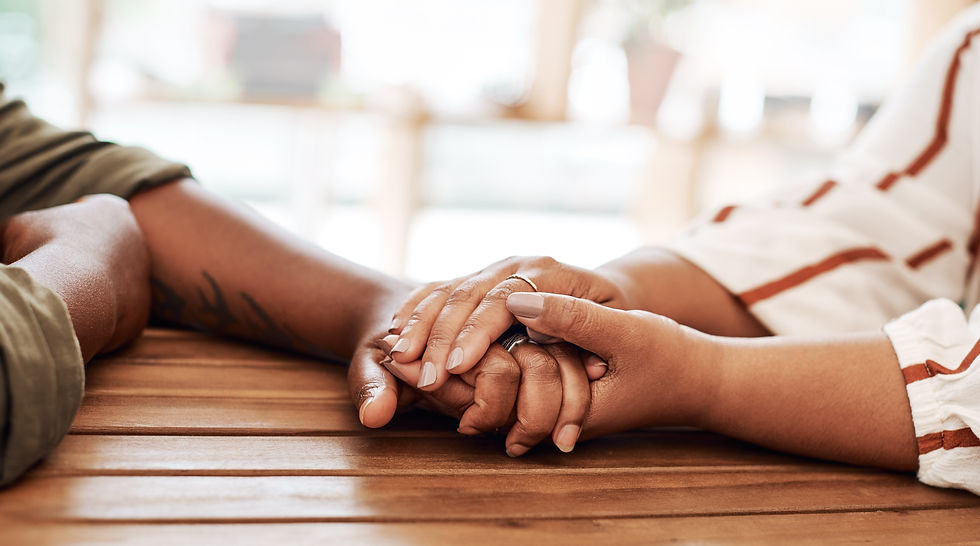
Connection as a Practice: Healing in Community


May is often recognized as Mental Health Awareness Month, a time that invites reflection on how we care for our well-being. We’re approaching mental health through a quieter, but deeply impactful lens: connection. Not as something abstract, but as something felt in the body, in shared space, and in relationship. Because mental health is not only something we manage internally, it is something we experience with others.
Why Connection Matters for Mental Health
Connection is more than interaction or closeness. It is the sense that you can be present with others without having to perform, prove, or protect yourself. It is not about constant closeness, but about feeling at ease enough to stay.
When connection feels safe, the body softens. Breath deepens, muscles release, and attention widens. The system begins to register a simple message: I am safe enough here.
This is not just emotional, it is physiological. The nervous system is constantly scanning for cues of safety or threat. In spaces where you feel seen, respected, and not evaluated, the body shifts out of survival mode and into regulation. That is where healing becomes possible.
The Limits of Doing It Alone
There is a strong cultural narrative that healing is something you should be able to do on your own. Figure it out, work through it, be resilient. For many people, this is not just a belief, it is a form of protection. Doing it alone can feel safer. Relying on yourself means you do not have to risk being misunderstood, let down, or seen in ways that feel exposing. Admitting you need support can feel like weakness, especially if that was the message you learned early on.
But many of the patterns we carry were formed in relationship. They were shaped by how we were responded to, understood, or misunderstood.
Because of that, they often need relationship to shift. Not through intensity or force, but through consistent, safe, shared experience. Through moments where you are met rather than managed, and witnessed rather than fixed.
Over time, these experiences begin to change how connection feels. The body learns that it does not have to stay guarded to stay connected. That is what makes healing in relationship not just helpful, but necessary.
Connection is not something you wait to feel, it is something you practice. It often begins with noticing where you feel most at ease around others, and what environments help your body relax.
Community as Co-Regulation
In somatic work, co-regulation refers to the way nervous systems influence each other. You might notice this as feeling calmer around someone grounded, more tense around someone anxious, or more at ease in a space that feels steady and intentional.
Thoughtfully held community spaces allow this to happen naturally. You are not responsible for carrying yourself the entire time. The room supports you. The pace slows, the breath deepens, and the body begins to trust.
These spaces do not give you something new. They help your system remember what safe connection feels like.
Healing Spaces as Practice
Being in a healing space is not about performing wellness, it is about practicing presence. This might look like moving at your own pace, taking a breath without needing to explain why, or simply noticing your body without judgment.
There is something regulating about shared intention. You do not have to speak or share your story. You only have to arrive.
In that arrival, the body begins to settle. The system recognizes that it is not alone, and that recognition can begin to soften patterns of protection.
Connection and the Balance Formula®
Within the Balance Formula, connection is supported by all four variables. Serenity creates the internal space to notice yourself and feel grounded. Strength is the capacity to stay present, have the courage to reach toward connection and to remind ourselves that we are deserving. Love offers emotional safety within, and Life brings meaning and a sense of being part of something beyond yourself.
When these come together, connection becomes both grounding and expansive.
You feel supported, and part of something. This is why community is not an extra layer of healing, it is part of the foundation. Balance is not something you achieve alone, but something you return to through practices that support connection, awareness, regulation.*
Practicing Connection
Connection is not something you wait to feel, it is something you practice. It often begins with noticing where you feel most at ease around others, and what environments help your body relax. It also includes recognizing where you tend to hold back, brace, or disconnect.
The work is not to force change, but to stay present a little longer than you usually would. Not overriding your instincts, but building capacity for connection in small, tolerable ways. Over time, connection develops through repetition, through showing up, being met, and allowing yourself to be seen without urgency.
The body learns that it does not have to stay guarded to stay connected. That is what makes healing in relationship not just helpful, but necessary.
Shared Spaces and Healing
Connection, community, and shared experience support mental health by reinforcing that connection itself is a form of care.
These experiences are not conceptual, they are lived.
In-person somatic spaces offer something that cannot be replicated alone. There is a shared rhythm, a collective exhale, and a room where regulation is supported rather than earned. Through movement, breath, sound, and presence, you are not asked to perform, only to participate in a way that feels accessible.
Where Connection Begins to Settle
Healing does not always look like breakthrough. Sometimes it looks like noticing your body is not as tense as it usually is. Sometimes it looks like breathing a little deeper without trying, or staying when you might have previously pulled away.
Connection is not loud or dramatic. It is subtle, steady, and built over time. As it becomes more familiar, it becomes something your system trusts, not only in certain spaces, but within yourself. The more you experience safe connection outside of you, the easier it becomes to recognize and create it within.
______
*Astacio, J. (2026, January 1). What if You Already Have a Superpower? In Balance Blog. https://www.lotustheoryny.com/post/what-if-you-already-have-a-superpower